

Helping You Make the Difference You've Dreamed About
Join the thousands of educators across the country who are shaping the lives of millions of students by teaching these proven money and business principles.
Helping You Make the Difference You've Dreamed About
Join the thousands of educators across the country who are shaping the lives of millions of students by teaching these proven money and business principles.
This Curriculum Really Works!
This Curriculum Really Works!
This Curriculum Really Works!


Inspired classrooms.
As you teach the important topics covered in Foundations, you'll spark a curiosity and passion in your students that keeps them engaged and excited to learn more.
Engaged students.
As you teach the Foundations curriculum, your students will engage with you, their friends and their parents in meaningful conversations and questions. As this happens, you'll be able to positively influence some of their most important life decisions.
Impact for a lifetime.
As you guide your students to a deeper understanding through activities and real-world application, your students will discover confidence, find hope and begin to live to their full potential.
Let's find the right curriculum for you.
We look forward to connecting with you soon!
Let's find the right curriculum for you.
We look forward to connecting with you soon!
Leaving a Legacy
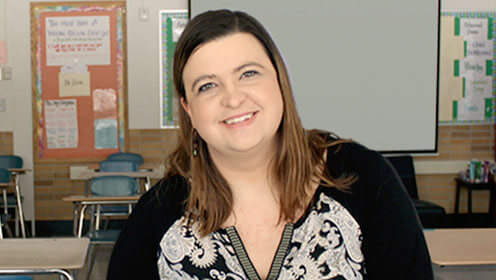
Jennifer didn't know it at the time, but her personal finance lessons on budgeting and saving for an emergency were preparing one student to face the unimaginable. Read More

Changing the World
One of Mr. Stircula's students, Matt, is a teen entrepreneur who created a sock company that helps support local charities. Read More
Leaving a Legacy
Jennifer didn't know it at the time, but her personal finance lessons on budgeting and saving for an emergency were preparing one student to face the unimaginable. Read More
Changing the World
One of Mr. Stircula's students, Matt, is a teen entrepreneur who created a sock company that helps support local charities. Read More
Leaving a Legacy
"I've been teaching this curriculum for about 5 years, and I just ran into a former student who was my cashier at the local grocery store. He graduated 2 years ago, and told me that it was the most useful class he took in high school. He informed me that his mom passed away a week after he turned 18, and since then he's had to manage everything on this own. Although it has been tough, he said he knew what he needed to do to get himself set up well financially - he opted to do an internship instead of formal education, so he could save money on tuition, and he's doing that while he's working full time at a grocery store. He's currently saving money for his emergency fund and will begin contributing to his 401k in the near future. We're changing lives with this curriculum and leaving a legacy around our town that wouldn't have happened otherwise."
Changing the World
“Matt S. is a teen entrepreneur that uses the Foundations in Entrepreneurship curriculum, and it has helped grow his business over the last year. His company's name is 21Sox. It is a play on the area code of Cleveland (216). His company makes custom socks for athletic teams, party favors, and pretty much anything else you want. The '21' represents every 2 pairs of socks he sells, he donates $1 to local charities.”
Hey, teachers! Get our newsletter with resources and updates just for you.